Construction supervision for owners: A communication field guide
Construction supervision for owners: A communication field guide. Construction supervision from an owner’s perspective is about field truth, scope control…
Why this matters
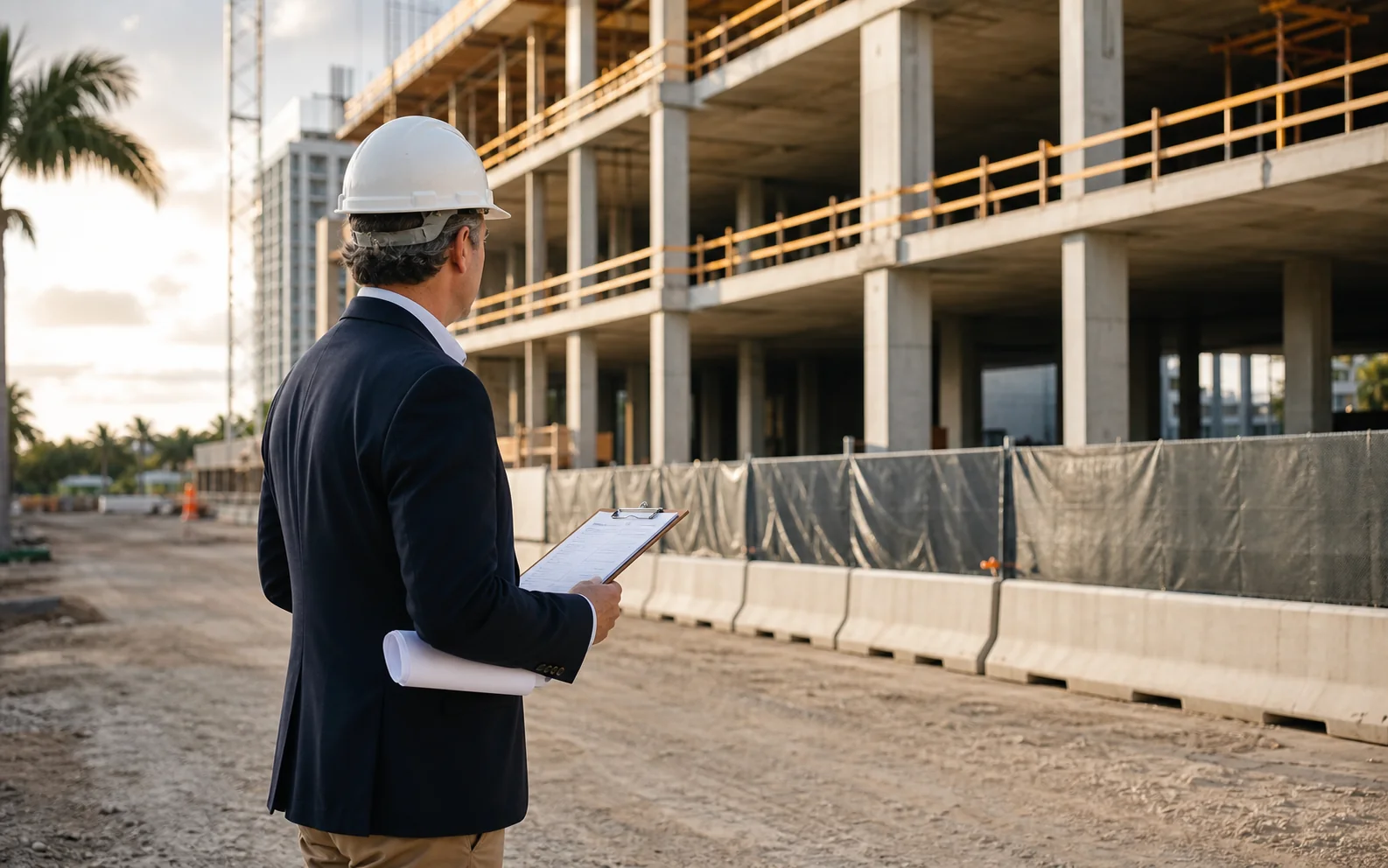
Construction supervision from an owner’s perspective is about field truth, scope control, schedule visibility, payment support, and timely decisions—not about replacing the contractor’s means and methods. Clear communication is a control system: the right people receive the right decision, at the right time, in a form they can act on.
The useful question is not whether construction supervision for owners sounds attractive in the abstract. It is whether the people making the decision can see the assumptions, the evidence, the limits, and the next action clearly enough to act responsibly. Owners often learn about a problem after it becomes a cost because field observations were not translated into a decision.
A practical framework
For construction supervision for owners, begin with a stakeholder map, decision log, and update rhythm that people can actually follow. The sequence below keeps the decision teachable and gives the next person enough context to continue the work.
- walk the work against current drawings and scope
- record progress and constraints
- review changes with cost and schedule effects
- keep owner decisions moving
Questions to answer
- Who is affected by the decision even if they do not approve it?
- What must be explained in plain language rather than project shorthand?
- Where will the authoritative version of the decision live?
Common failure modes
- Assuming that sending an update means the recipient understood the decision.
- Allowing parallel message threads to become competing records.
- Using confidence or urgency to cover an unresolved question.
What a useful record contains
A useful record for construction supervision for owners should make the decision auditable without pretending that uncertainty has disappeared. Start with the following evidence and label what is still provisional.
- walk the work against current drawings and scope; record its source, date, and limitation.
- record progress and constraints; record its source, date, and limitation.
- review changes with cost and schedule effects; record its source, date, and limitation.
A sensible next step
Use a recurring site report that ties observations to actions and evidence. The goal is not to create paperwork for its own sake; it is to make the next decision safer, clearer, and easier to review.
This guide is educational and does not replace project-specific legal, financial, technical, medical, employment, or professional advice.
Related resources
Further reading
- Florida DBPR — license and regulated-profession lookup
- Florida Building Commission — Florida code resources
Related River Business resources
- River Business Corp — development platform and project context
- Construa — construction execution partner context
- FLPro Staffing — field workforce support
- Property for Equity — property and capitalization education

Every engagement starts with a project review.
That is what the project review is for. Share the scope and we will tell you whether we are the right firm for it.
Request a project review